Deposits and withdrawals over bank rails
Account-to-Account Deposits and Payouts for High-Volume Platforms
Boldrails is a licensed payments provider. We acquire and settle account-to-account payments, also called open banking payments, Pay by Bank or A2A, so your customers fund and withdraw straight from their bank account, with no card in the path. We onboard high-volume and high-risk platforms in 3 to 14 days, depending on your case.
- No card in the path
- No card chargeback mechanic
- Approval in 3 to 14 days
- Licences held where we serve
Onboarding takes 3 to 14 days, depending on your case.
Last updated: 6 August 2026
The short version
- No card scheme sits in the path, so there is no card chargeback mechanic. The dispute route is the payer's own bank.
- Refunds run on managed settlement only. Nobody else in this category states a refund constraint at all.
- Licensed operators in Great Britain cannot accept credit card payments. That has been licence condition 6.1.2 of the Gambling Commission's LCCP since 14 April 2020.
The method
What an account-to-account deposit is
An account-to-account deposit moves money straight from your customer's bank account into yours. No card sits in the middle. The same method is sold as open banking payments, Pay by Bank and A2A. The payer approves the transfer inside their own banking app, and the money travels over a domestic instant payment scheme.
Open banking is the regulated data and initiation layer that makes the transfer possible. The payment itself is the account-to-account payment, covered end to end on our open banking payments page.
The money leaves the current account your customer already banks with, authorised in their bank's app, and lands in the merchant account we settle to. A player deposit reaches your balance as a payment, not a card authorisation waiting on capture.
Domestic instant schemes carry it. Faster Payments in the United Kingdom and SEPA Instant in the euro area are the best known of them. Naming a scheme here is context, not a coverage claim.
The flow
How a deposit and a withdrawal move
Six steps, deposit through to withdrawal.
- 1
Your customer chooses their bank on your checkout.
- 2
They approve a pre-populated payment in their own banking app. Amount and payee are filled in already.
- 3
Payment initiation happens on their instruction, and the money leaves their account.
- 4
A webhook confirmation reaches your systems, so you can credit the customer straight away.
- 5
Funds settle to you at T+1 or T+2 on gateway rails. The payer's leg finishes in seconds; settlement is separate and slower.
- 6
A withdrawal runs the same rail in reverse, back to the account the customer paid from.
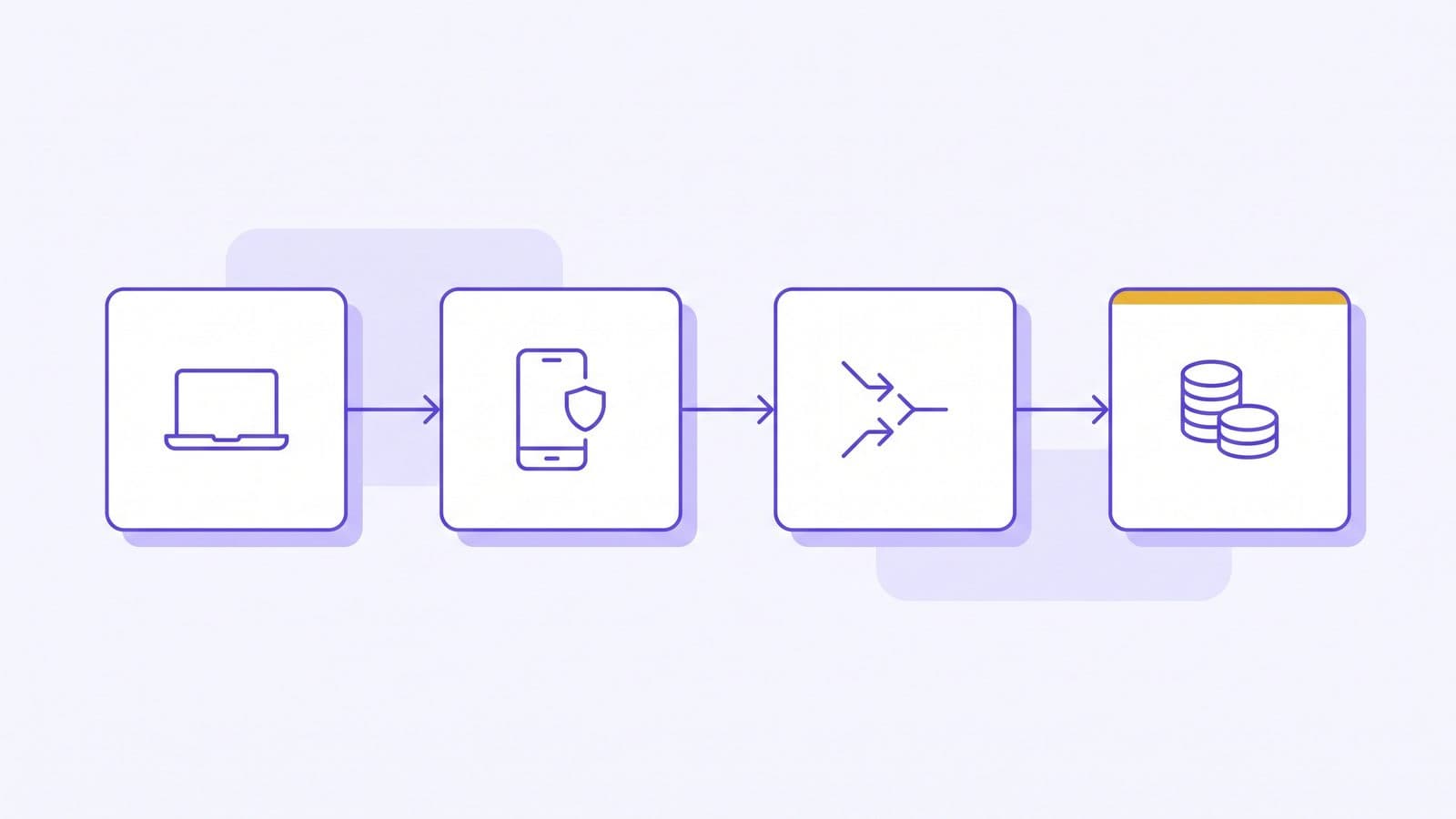
Step two is what makes the deposit irrevocable. The payer's bank authenticates them, and there is no card number, no stored credential and no capture step.
This section covers the pay-in leg and the instant payout your customer sees. Bulk disbursement, batch files and the wider payout rails are our payout API's job, not this page's.
Endpoint and field names belong in integration documentation, not on the page where you decide whether to onboard.
Disputes and reversals
Why a bank-rail payment has no chargeback
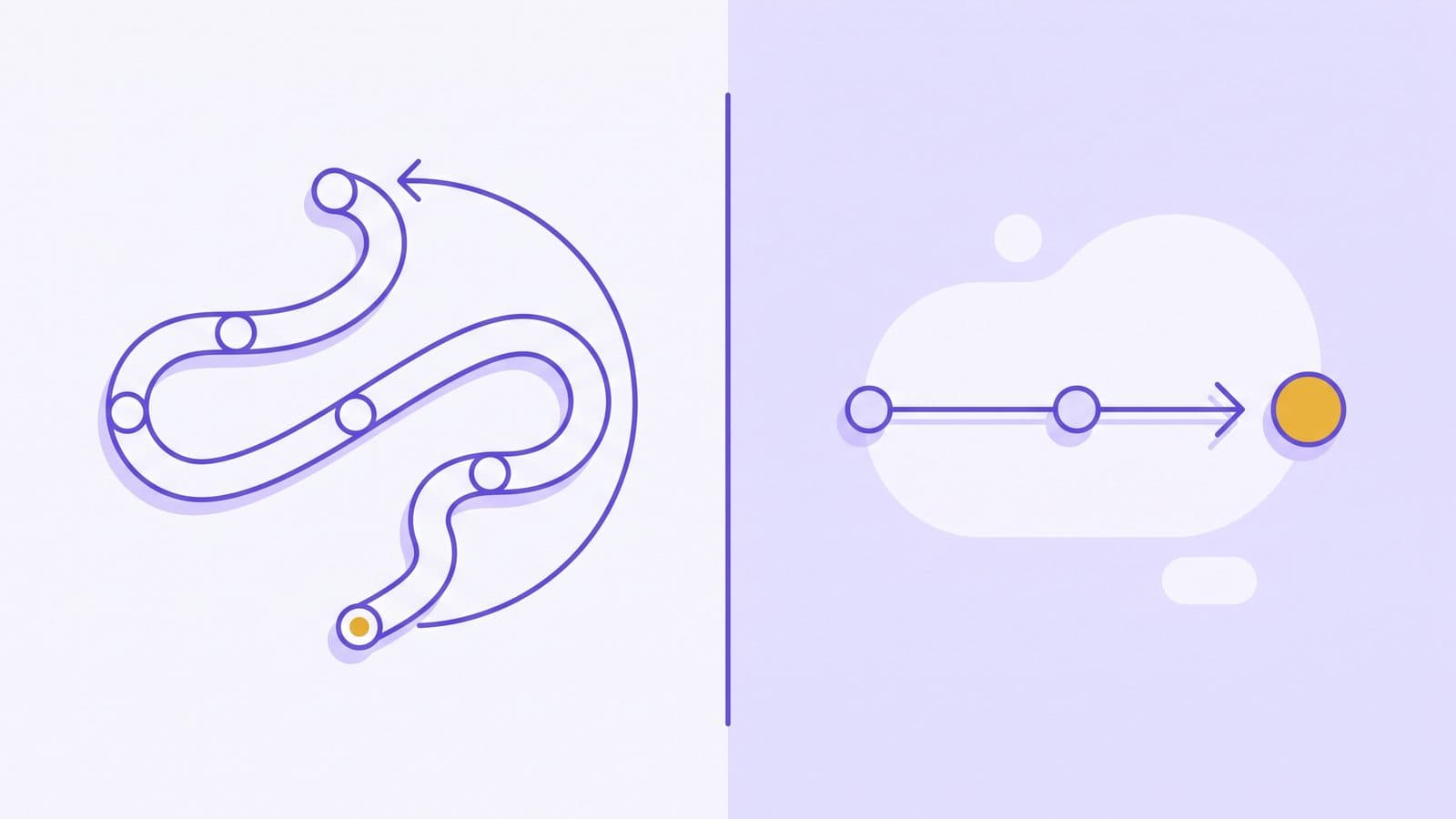
There is no card chargeback mechanic on an account-to-account payment, because no card scheme sits in the path. Once the payer approves the transfer in their bank app, it is irrevocable. That does not mean nobody can dispute it. It means the dispute route is the payer's own bank.
In the United Kingdom the recourse is the reimbursement regime for authorised push payment fraud. The Payment Systems Regulator brought it into force on 7 October 2024: reimbursement within five business days, a 50/50 cost split between the sending and receiving firms, and an £85,000 cap. Freshfields reads the rules the same way.
The regulator is blunt about what is not solved. Dispute processes are one of four areas it says need work before these payments run at retail scale. The other three are functional capability, access and reliability, and competitive pricing. Most providers here claim the method protects you from chargebacks and stop there.
Refunds carry their own constraint, managed settlement only, set out below.
The card constraint
What the card rules mean for regulated platforms
Since 14 April 2020, licence condition 6.1.2 of the Gambling Commission's LCCP has prohibited licensed operators in Great Britain from accepting credit card payments. It covers all remote gambling and non-remote betting. Non-remote lottery is the only exception.
The condition rides on the operating licence itself, and the Gambling Commission publishes both the condition and its guidance. When the ban was announced, the law firm Wiggin spelled out the scope: every online and offline gambling product, non-remote lotteries excepted.
The rule reaches past the card itself. The Commission also expects operators to check that money arriving from an e-wallet was not loaded onto that wallet with a credit card. That is the Commission's stated expectation, not a separate statutory offence.
A licensed operator therefore carries a card constraint most merchants never have to think about. The condition is written about cards, and an account-to-account deposit has no card in it.
Financial-risk data
What financial-risk data checks require, and what they don't
On 7 July 2026 the Gambling Commission confirmed that operators will be required to carry out Financial Risk Assessments, introduced in stages. The assessments run primarily through credit reference agencies. Open banking or document checks come in only where a frictionless assessment is not possible.
Stage one starts at net deposits above £5,000 in a rolling 24 hours, for customers aged 25 and over. For higher-risk groups under 25 the figure is £2,500. The Commission's pilot found 97% of customers above the threshold levels could be assessed frictionlessly, against 80% estimated in the 2023 White Paper. Solutions Hub repeats both percentages in its summary of the announcement. A financial vulnerability check is a lighter, separate check on publicly available data.
What is not settled is the timing. The Commission will confirm the stage-one timetable after engaging with industry, and which operators fall inside stage one also remains to be confirmed. It has said it will not take enforcement action solely for a failure to act on an assessment early on.
Whatever the timetable turns out to be, account information and payment initiation stay different acts. An affordability check reads account data; a deposit rail moves money.
Who we onboard
Who we onboard, and what we need from you
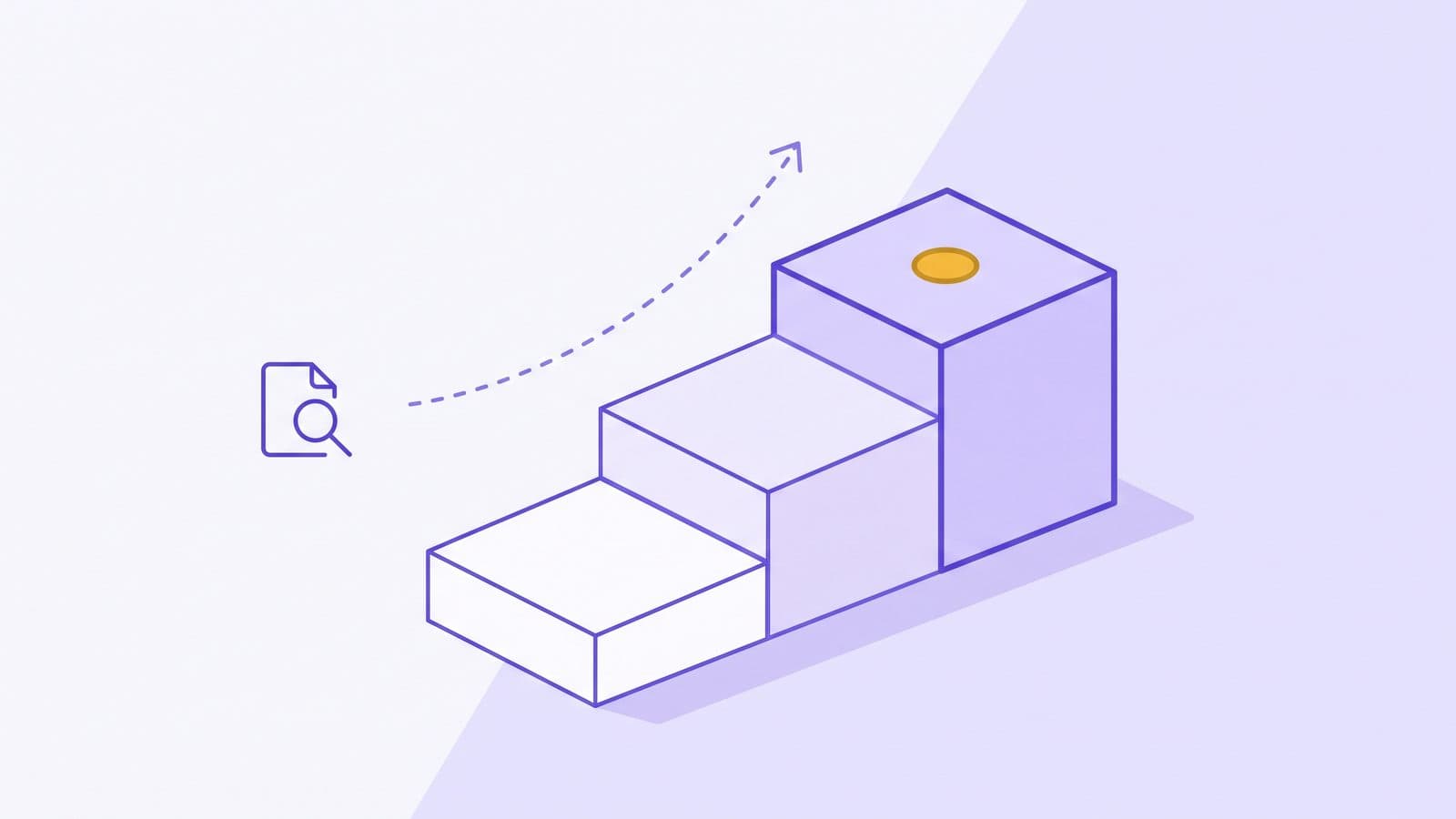
We onboard high-volume and high-risk platforms, subject to enhanced due diligence, in 3 to 14 days, depending on your case. We hold the necessary licences required in the markets we serve.
What we need from you
- Your operating licence, matching your brand, domain and jurisdiction.
- Company documents and beneficial ownership for KYB, plus ID for the controllers.
- Your AML policy and who owns it.
- Volumes, average deposit size and the currencies you collect in.
Mismatched licence paperwork is the most common reason a file stalls. For a high-risk platform that document is where we start. Genome tells operators to line up brand, domain and jurisdiction too.
Refunds are available on managed settlement only. Where settlement is direct the money lands in your own bank account, and no processor stays in the path to reverse it.
We publish no price, rate or percentage for this method. Yours is set per platform, limits included, and confirmed at onboarding when you get started.
Coverage here is stated at capability level. For the market, method and rail lists, go to our acceptance index.
Scheme, currency and settlement detail lives in the open banking coverage register.
| Method | Currencies | Settlement window | Refund mechanic | Dispute route | Payout leg |
|---|---|---|---|---|---|
| Account-to-account payment (Pay by Bank) | Local currency of the payer's bank account | Payer leg in seconds; your settlement T+1 or T+2 on gateway rails | Managed settlement only | The payer's own bank | The same rail in reverse, back to the paying account |
| Card payment | Cardholder currency, converted by the acquirer | Payer leg in seconds; settlement on the acquirer's cycle | Refund through the card scheme | The card scheme, as a chargeback | Refund to the card, which is not a payout |
| E-wallet | The wallet's own currency | Set by the wallet operator | Set by the wallet operator | The wallet operator | Payout to the wallet where the operator supports it |
The published high-risk premium
Published fees on Genome's low-risk and high-risk pricing pages, extracted 6 August 2026. The premium shows up as a change of fee shape rather than just a bigger flat fee. Competitor figures quoted as published; Boldrails publishes no price for this method.
| Fee line | Low risk | High risk | What changes |
|---|---|---|---|
| Account opening, EUR IBAN | 100 EUR | 500 EUR | 5 times the fee |
| Monthly account fee | 10 EUR | 100 EUR | 10 times the fee |
| Administration fee on average balance | 0% | 0.5% | A percentage appears |
| SEPA incoming | 1 EUR | 5 EUR + 0.1% | Flat becomes flat plus a percentage |
| SEPA outgoing | 1 EUR | 10 EUR + 0.3% | Flat becomes flat plus a percentage |
| Open banking payment initiation | Not published | 0.55 EUR + 4% | Priced on the high-risk page only |
Declined elsewhere, or running a vertical most providers will not quote? Send us the case and what you were told.
Method or account
A payment method or a business account: which one you need
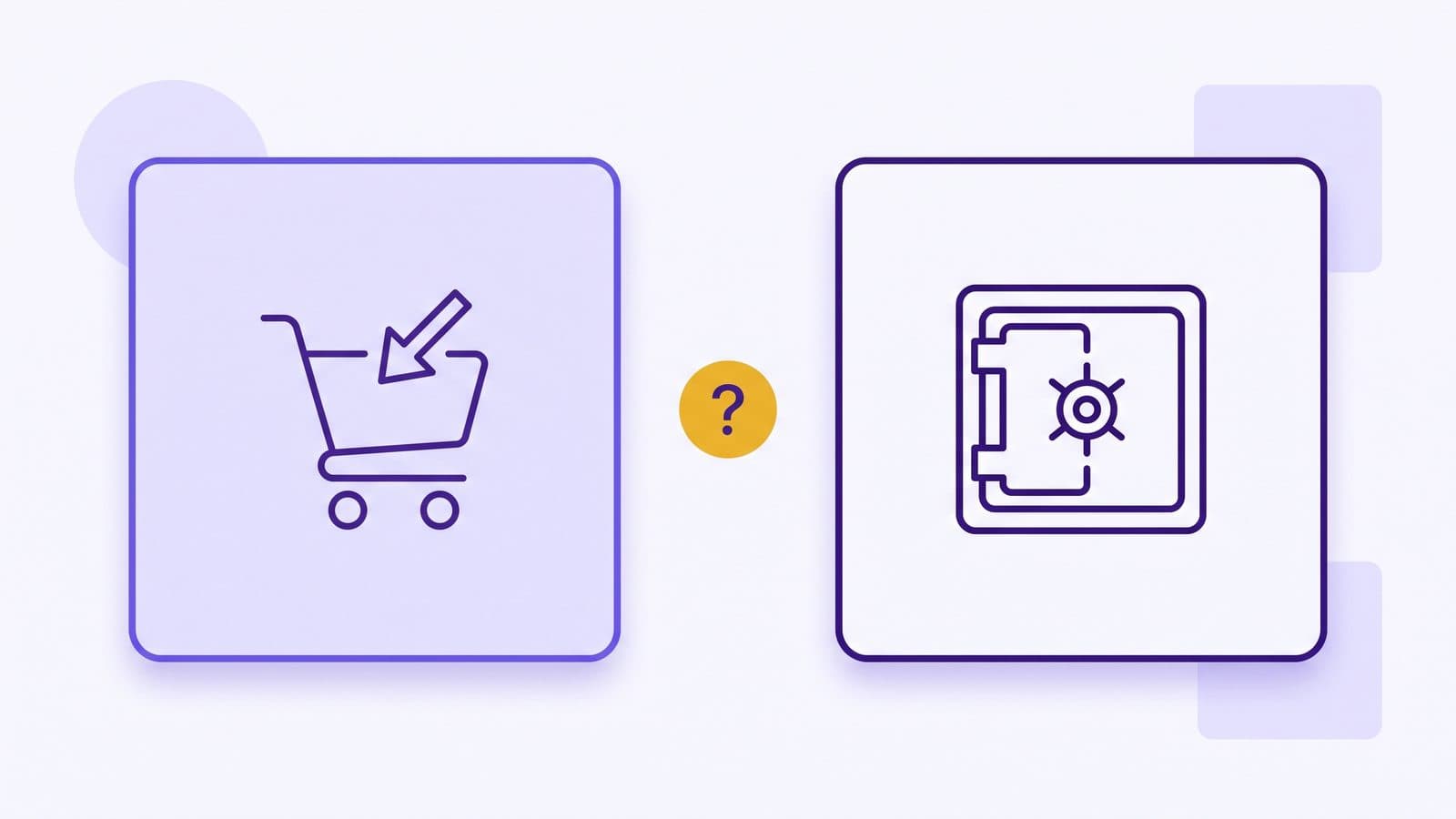
Accepting money from your customers and holding your company's own money are two different products. This page is the first one. A business account with IBANs and a balance in your company's name is the second.
The two get confused because they share vocabulary. An iGaming operator searching for open banking for a gaming platform gets a People Also Ask panel asking "Can you open a bank account for gambling?" Same words, opposite jobs.
If what you need is somewhere to hold and move your company's own funds, start with our business accounts page for gaming platforms. If what you need is a way for customers to fund an account and withdraw from it over their own bank, you are on the right page.
Most platforms want both eventually. Tell us which one is blocking you first.
Apply now, approval in 3 to 14 days, depending on your case
Start taking deposits over bank rails
Send us your operating licence, your volumes and a line on what you run. We will tell you what we can support and what your onboarding looks like.
FAQ
Deposits and payouts over bank rails, answered
Last updated: 6 August 2026
We review this page when the rules it cites change.