Payments in Brazil
Payments in Brazil: PIX, Cards, and the Open Finance API
Boldrails provides payment acceptance in Brazil. We acquire PIX, cards and bank transfer, we settle in BRL, USD or crypto, and we pay out over PIX and bank. Open Finance is the Banco Central do Brasil regime that standardises payment initiation. PIX is the rail the money moves on.
- PIX, cards, bank transfer
- We acquire and we settle
- BRL, USD or crypto settlement
- Onboarding in 3 to 14 days
Onboarding takes 3 to 14 days, depending on your case.
Last updated: 6 August 2026
The basics
What is the Open Finance API in Brazil?
The Open Finance API in Brazil is the standardised interface through which Brazilian institutions share data and payment initiation services with each other. The Banco Central do Brasil created the regime and supervises it. Resolução Conjunta nº 1/2020 defines it as the standardised sharing of data and services through the opening and integration of systems, and it applies to financial institutions, payment institutions and others authorised to operate by the central bank.
One line matters more than any other on this page. Open Finance is the regime. PIX is the rail the money actually moves on. This page is about accepting money in Brazil, so most of what follows is about PIX.
The regime also changed its name, and the date is in the statute. Sistema Financeiro Aberto, or Open Banking, became Open Finance effective 2 May 2022, under Resolução Conjunta nº 4 of 24 March 2022. Vendors describe the regime; almost none of them give you that date.
If you want the mechanics without the Brazilian specifics, read how account-to-account payments work, or check open banking coverage by market.
Sources
What we provide
Payment methods we provide in Brazil
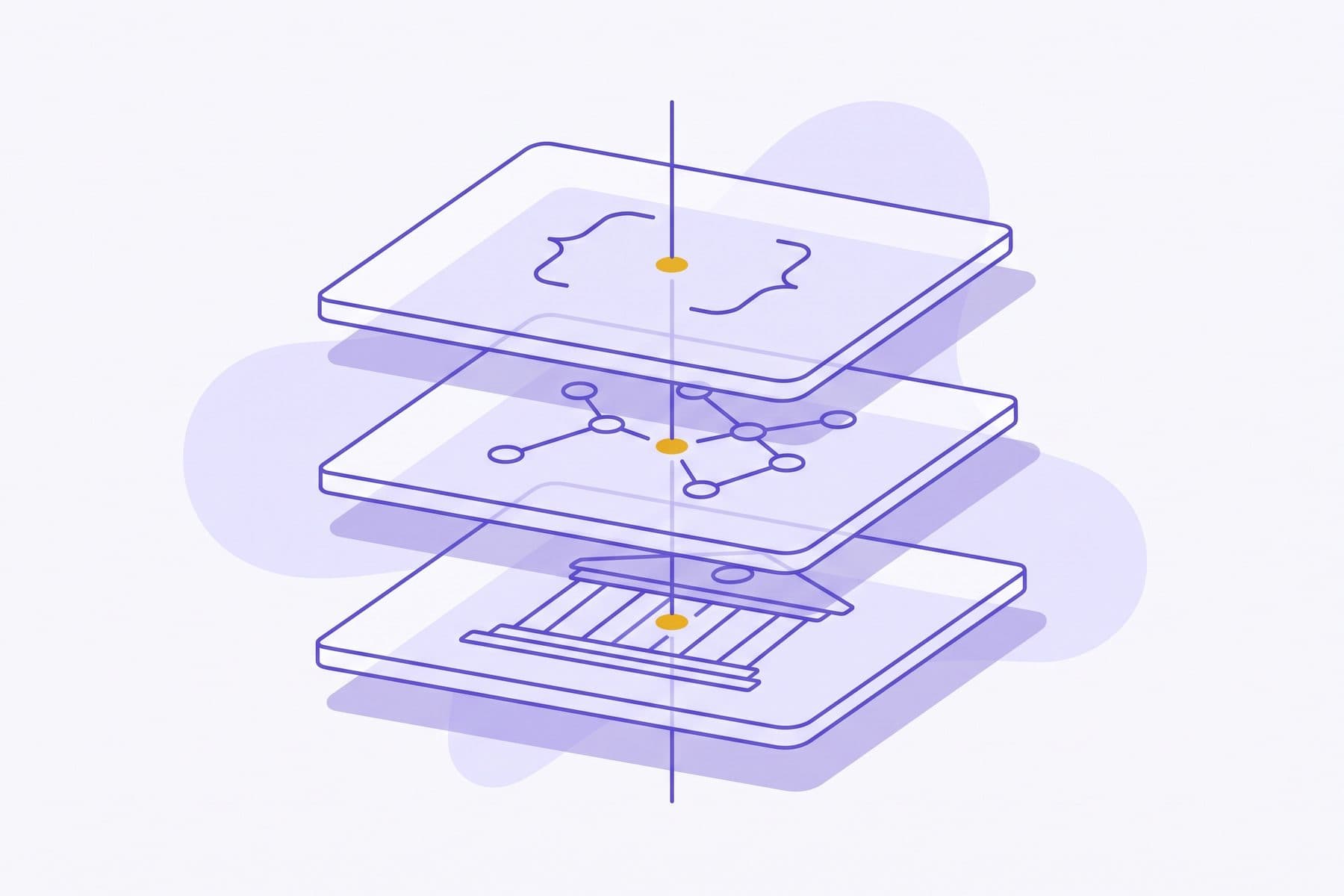
We acquire four ways to get paid in Brazil on one integration: PIX, cards, bank transfer and crypto. We settle in BRL, USD or crypto, and we pay out over PIX and bank. Brazilian developers call this an api de pagamento; marketplaces ask for split de pagamento.
| Method | Type | Settlement currency | Payout route |
|---|---|---|---|
| PIX | Instant bank rail | BRL, USD or crypto | PIX or bank |
| Cards | Card acceptance | BRL, USD or crypto | PIX or bank |
| Bank transfer | Account transfer | BRL, USD or crypto | PIX or bank |
| Crypto | Crypto settlement | Crypto, BRL or USD | PIX or bank |
We are a licensed principal provider. We acquire the transaction, we hold the merchant contract, and we settle you.
Access is where most Brazil pages go quiet. Stripe's own PIX page states that PIX is invite-only for businesses domiciled in Brazil. We underwrite by case. Forex and CFD brokers, iGaming operators, crypto businesses, subscription platforms, marketplaces, travel and nutraceuticals all get read on their own merits rather than screened out by category. Onboarding takes 3 to 14 days, depending on your case.
We hold the necessary licences required in the markets we serve.
Declined elsewhere, or told your category is not supported? Send us the case.
Integration
How does the API Pix work for merchants?
The API Pix is the Banco Central do Brasil's own OpenAPI 3.0 specification for PIX, at release 2.9.0. Because the spec belongs to the central bank rather than to a vendor, the integration semantics are the same wherever you connect. That is the difference between the API Pix and the Open Finance API: one is the payment rail's spec, the other is the regime's data and initiation interface.
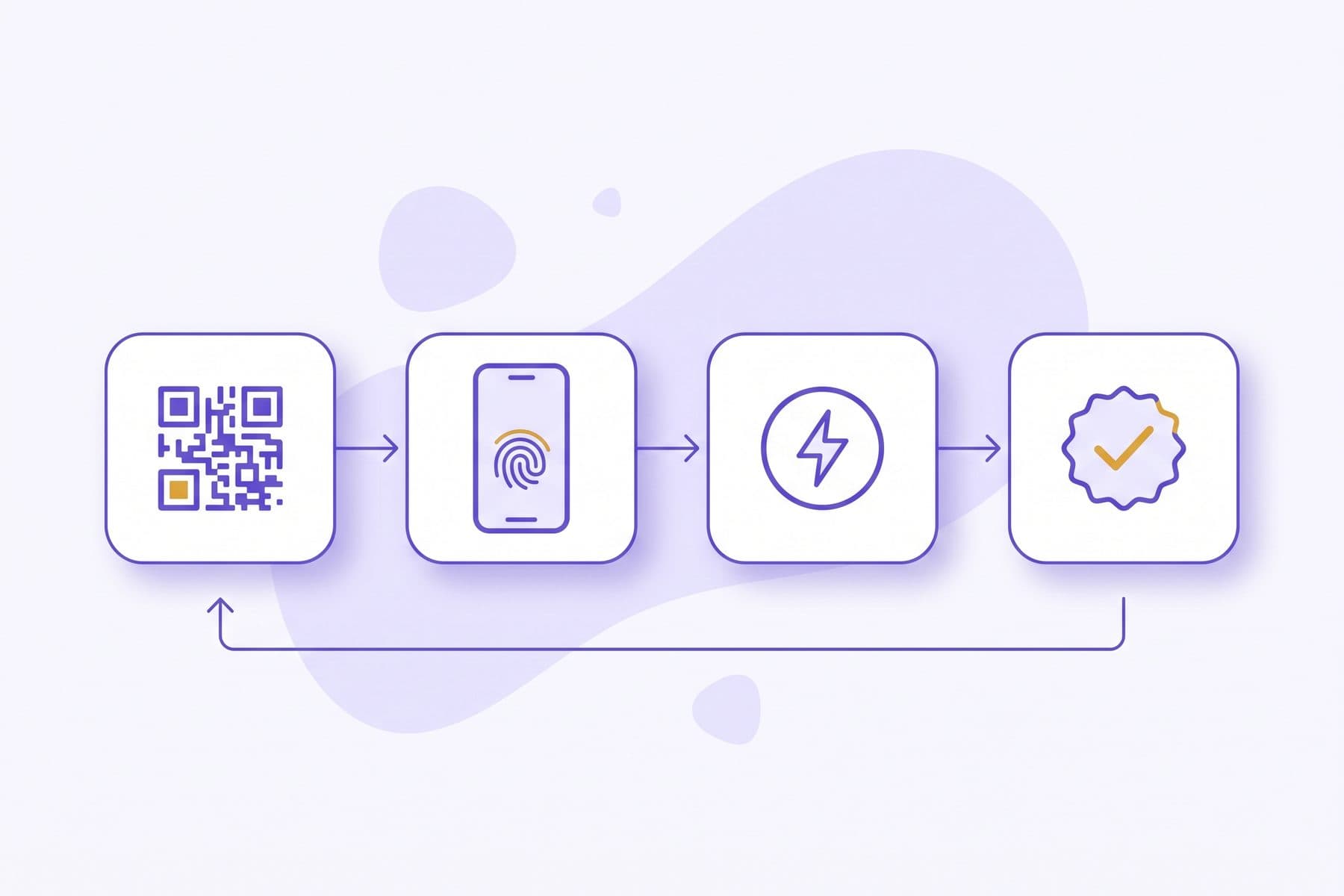
- 1
Create the charge
Generate a charge per order, as a static QR code, a dynamic QR code or a copy-and-paste string.
- 2
The payer approves
The payer opens their own banking app and approves it.
- 3
A webhook confirms
A webhook confirms the payment in seconds, so reconciliation is automatic rather than a daily statement job.
- 4
Refunds run the same way
Refunds, full or partial, go back through the same API.
Vendors such as OpenPix, Efí Bank and Mercado Pago all wrap this same specification.
Access requirements are set per institution rather than by the arrangement itself. In practice most ask for three things: a business account, or conta PJ, API credentials, and a digital certificate. Treat that as institution-specific market practice and not a rule of PIX, because it is documented by individual banks and providers rather than in the arrangement's own regulation. Check the exact list with whichever institution you integrate through.
Source
Recurring
What is PIX Automático and how do recurring payments work?
PIX Automático is the recurring modality of PIX. The payer authorises the arrangement once, and later collections run automatically at varying amounts and intervals, with no fresh approval each time. It launched in June 2025.
The Banco Central do Brasil set the conditions for participating institutions to run production tests on it in an instrução normativa dated 6 May 2025, and the industry trade press reported the launch in the same month. Separately, Resolução BCB nº 406 of 2 August 2024 governs payment initiation without a redirect, which removes the bounce out to the bank app during the approval step.
We give the month and not the day on purpose. The specific date circulated before launch as an expected date, and an expected date is not evidence of when something went live.
For a subscription business, the interesting part is what recurring collection on a bank rail does not carry. There is no card to expire, no reissued number to chase, no retry cascade after a decline, and no interchange, because no card network is in the flow.
Brazilian vendors have built products on it. Iniciador sells it as Pix on file; Pluggy lists it alongside its Open Finance stack. Our own Brazil capability is the PIX rail, cards and bank transfer, set out above.
Sources

Settlement
How settlement and payouts work in Brazil
A PIX payment credits in seconds and the webhook tells you so. From there we settle you in BRL, USD or crypto, and we pay out over PIX and bank. One balance, one reconciliation, whichever method the money came in on.
The Open Finance API standardises how initiation works across Brazilian institutions. PIX is the rail that carries the money.
Now the fence, because these two jobs get confused constantly. This page is about pay-in: money moving from your customer to you, initiated in Brazil. Paying money out in bulk, to sellers, affiliates, contractors or staff, is a different product with a different API. That work belongs to our payout API and to mass payouts. If you need both, say so at onboarding and we will scope them together rather than bolting the second one on later.
Original research
Brazil payment rails compared: settlement, recurring, refunds and disputes
Researched and reviewed by: Claude Igrow, Payments Specialist
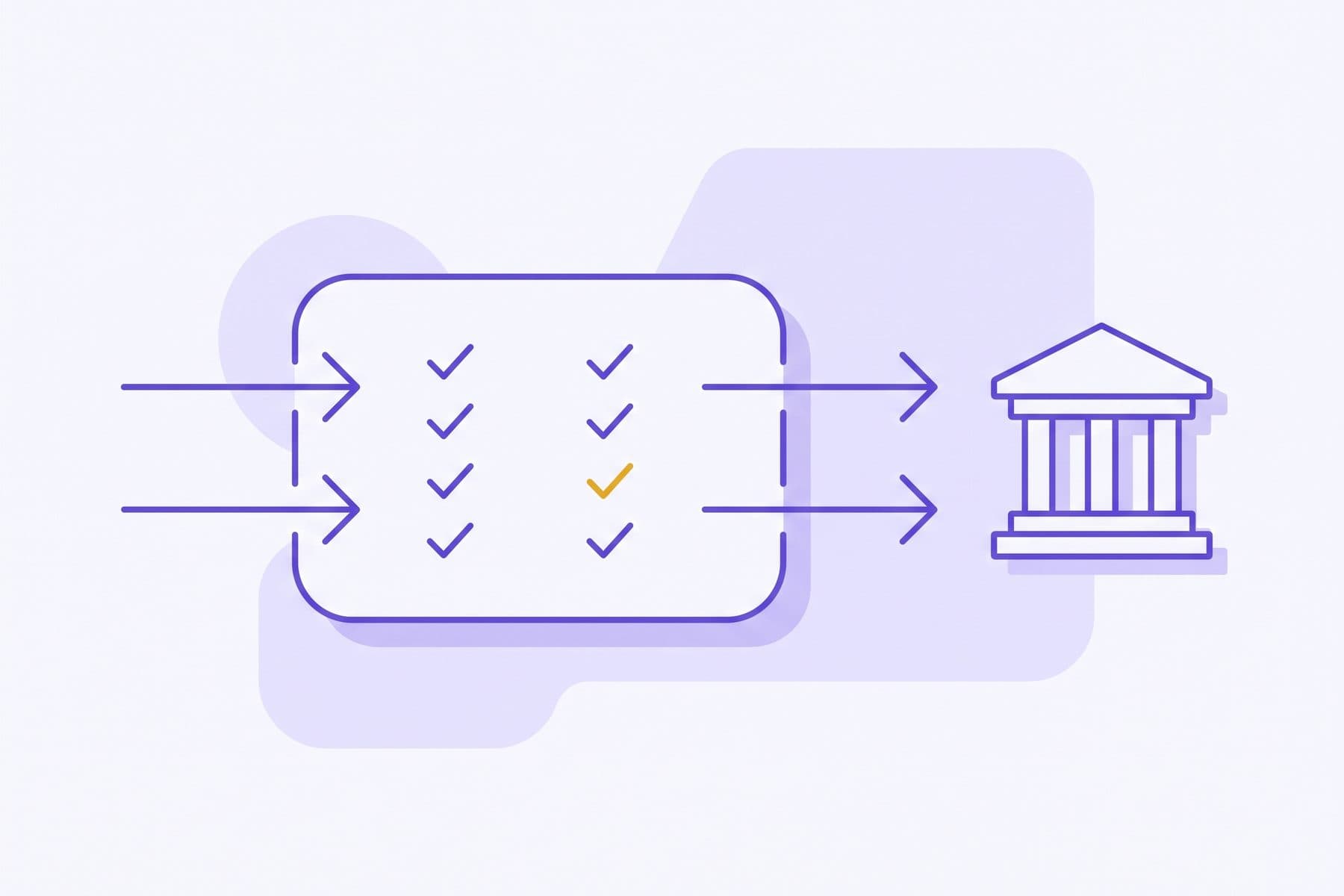
Four rails, four questions a finance team actually asks before it picks one. We checked every cell against the provider that published it, and we left the cells nobody publishes visibly empty rather than filling them with a guess.
Nobody in this market publishes the table below. Here is what it shows.
| Rail | Settlement window | Recurring collection | Refund mechanic | Who the payer disputes with |
|---|---|---|---|---|
| PIX | A provider decision, not a rail property. Pluggy publishes instant D+0; Stripe publishes two business days | No. Each payment is a fresh instruction | Full or partial refund, requested through the API Pix | Their own bank. No card scheme sits in the flow |
| PIX Automático | Set by the collecting institution. No provider surveyed publishes a figure | Yes. One prior consent covers later collections at varying amounts and intervals | Presumed the same API Pix refund path as a single PIX. Not separately confirmed by any provider surveyed | Their own bank, and they can withdraw the consent |
| Cards | Set by the acquirer | Yes, with the card stored on file | A merchant refund, or a chargeback the payer raises | Their card issuer, under the scheme's chargeback rules |
| Boleto | Not published by any provider surveyed | No. Each collection is a separate boleto | Not published by any provider surveyed | Not published by any provider surveyed |
Blank or unpublished cells mean the source does not state it, not that the answer is nothing.
On the same PIX rail, one provider publishes instant D+0 settlement and another publishes two business days. The settlement window is a provider decision, not a property of the rail. Pluggy publishes the instant D+0 figure and Stripe publishes the two business days, both pulled on 6 August 2026.
The second gap is the last column. An account-to-account payment has no card chargeback mechanic, so the payer's route when a payment goes wrong is their own bank, not a card scheme. We read five provider pages in full on 6 August 2026 and not one of them states that route anywhere. Ask any provider you shortlist two questions: what window do you settle on, and where does my customer go to dispute a payment.
Who may initiate
Who may initiate a payment under Open Finance Brasil?
Under Brazilian rules, a payment initiator is a participating institution that starts a payment ordered by the customer on an account it does not itself hold. Brazilian rules call it an Iniciador de Transação de Pagamento. Resolução Conjunta nº 1/2020, Art. 2º VI, adds the clause that matters: the initiator provides the service without holding the transferred funds at any moment.
Read that twice. It is the whole design. The instruction travels; the money never changes hands along the way. The institution that holds the payer's account stays the payer's counterparty for the payment, and the payer's consent authorises the instruction, defined in the same statute as a free, informed, prior and unambiguous expression of intent.
Who is allowed to participate is also settled by rule, not by choice. Open Finance Brasil states that only financial institutions and other institutions authorised to operate by the Banco Central do Brasil may take part, and that the largest Brazilian banks are mandatory participants. A waiver procedure exists for smaller institutions, which is itself evidence that participation is an obligation, not an option.
Sources
Pricing
What does it cost to accept PIX in Brazil?
The API Pix specification costs nothing, because the Banco Central do Brasil publishes it openly. What a business pays is set by the institution or provider it integrates through, and in this market most of them keep that private. We surveyed eight Brazilian and international providers on 6 August 2026: Pluggy, OpenPix, Iniciador, Stripe, Mercado Pago, Efí Bank, Asaas and AbacatePay. Six publish no PIX rate anywhere we could find, and the two figures we did find came from a search engine's summary rather than either vendor's own pricing page, so we are not repeating them here as facts. A fee-line table plus a quote is the normal shape of this market, not a dodge.
We do not publish rates either, and we would rather tell you why than pretend otherwise: a high-risk merchant and a low-risk one do not get the same number. Here are the lines your quote will have.
| Fee line | What it covers | What it varies with |
|---|---|---|
| PIX acquiring fee | Accepting a PIX payment | Volume and business profile |
| Card acquiring fee | Accepting a card payment | Card mix, volume and risk profile |
| Settlement and FX conversion | Converting BRL into USD or crypto | Currency pair and settlement frequency |
| Payout fee | Sending funds out over PIX or bank | Payout volume and destination |
| Chargeback handling | Working a card dispute, cards only | Dispute volume |
Onboarding takes 3 to 14 days, depending on your case. Ask for the Brazil sheet and you get every line above with a number on it.
Questions
Payments in Brazil: common questions
Last updated: 6 August 2026